
Gemini_Generated_Image_bbdfdbbdfdbbdfdb (1)

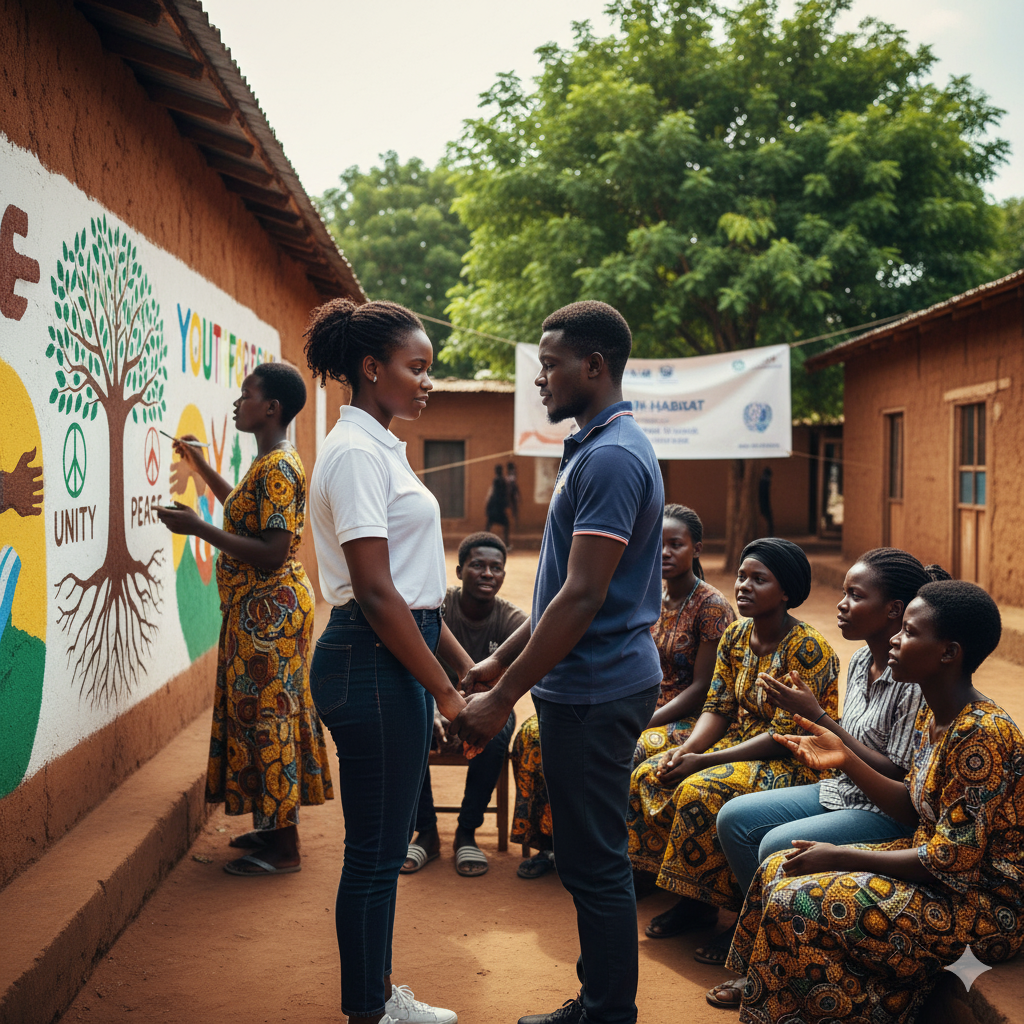
Youth as Agents of Peace: UN Initiatives Promoting Social Cohesion and Conflict Resolution in Africa

In regions affected by conflict and instability, young people are often disproportionately impacted, yet they are also powerful catalysts for peace. Recognizing this potential, the United Nations is actively engaging young Africans in peacebuilding and conflict resolution efforts, empowering them to become agents of positive change within their communities and beyond. These initiatives are crucial for fostering social cohesion and building lasting peace on the continent.

Body: UN programs in this domain focus on equipping young individuals with the skills and platforms necessary to mediate disputes, promote dialogue, and counter extremism. This often involves training in conflict analysis, negotiation, and communication, enabling them to understand the roots of conflict and advocate for peaceful solutions. Youth-led peace committees, peer mediation networks, and inter-ethnic dialogue groups are frequently supported, providing concrete avenues for young people to apply their skills and influence.

Furthermore, these initiatives emphasize the role of youth in fostering reconciliation and healing. Programs might involve storytelling projects, cultural exchanges, or sports for peace initiatives that bring together young people from different backgrounds, breaking down stereotypes and building bridges of understanding. By engaging youth in these processes, the UN helps to create a generation that values diversity, promotes inclusivity, and actively works towards a future free from violence. They are empowered to challenge divisive narratives and promote messages of hope and unity through various channels, including social media and community outreach.

Conclusion: By investing in youth peacebuilding, the United Nations is not only addressing the immediate impacts of conflict but also laying the groundwork for sustainable peace. The unwavering commitment and innovative approaches of young Africans in promoting social cohesion and resolving disputes are inspiring. Their efforts are a testament to the fact that with the right support and opportunities, youth can transform challenges into opportunities for peace, building more resilient and harmonious societies across Africa.

abubakar-balogun-TwOSyPtnM94-unsplash

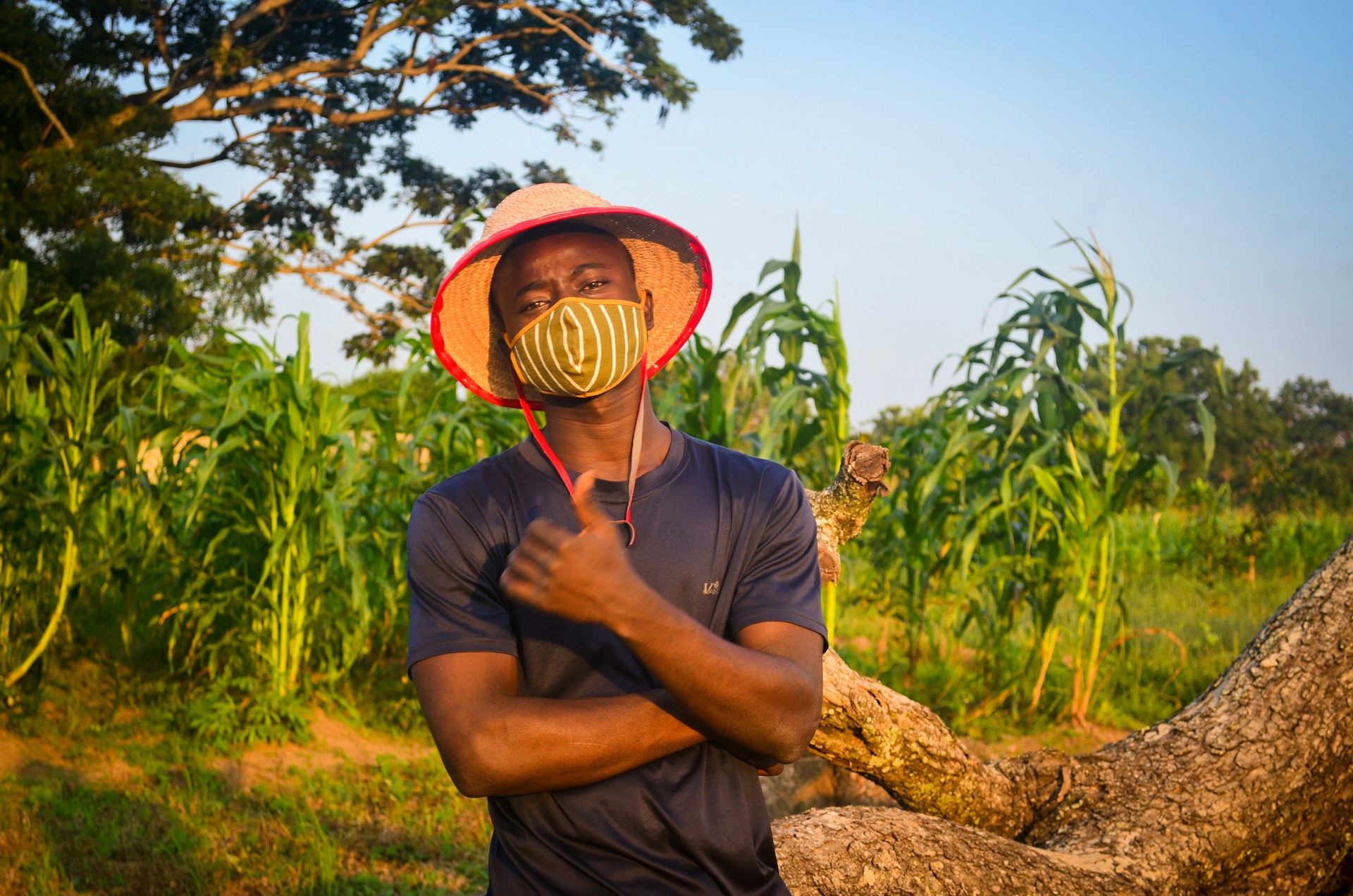
Innovation and Sustainability: How UN Programs are Fostering Green Youth Entrepreneurship in Africa

Africa faces unique environmental challenges, from desertification and water scarcity to climate change impacts. Yet, these challenges also present immense opportunities for innovation, particularly for its young, dynamic population. The United Nations is increasingly recognizing and supporting the role of young African entrepreneurs in pioneering sustainable solutions, fostering a new generation of “green” businesses that address environmental concerns while driving economic growth.

UN programs focused on green youth entrepreneurship provide crucial support systems. These often include specialized training in sustainable business practices, renewable energy technologies, and eco-friendly agriculture. Young entrepreneurs receive mentorship from experts, helping them refine their business models and navigate the complexities of launching a green enterprise. Access to seed funding and impact investors is also a critical component, enabling these startups to get off the ground and scale their operations.

A prime example is the support for initiatives in renewable energy, where young innovators are developing solar-powered solutions for rural electrification, or waste management, where they are transforming refuse into valuable resources. In agriculture, programs empower young farmers to adopt climate-smart practices, ensuring food security while minimizing environmental footprints. These ventures not only create jobs but also build local resilience to climate change and promote more sustainable consumption patterns.

By championing green youth entrepreneurship, the UN is not only nurturing economic development but also cultivating a culture of environmental stewardship among young Africans. These programs demonstrate that sustainability and profitability can go hand-in-hand, paving the way for a greener, more resilient future for the continent. The ingenuity and passion of these young entrepreneurs are a powerful force for positive change, proving that local solutions can have a global impact.

lisa-marie-theck-eVjPkjEKTOE-unsplash

Empowering Future Leaders: UN Youth Programs Driving Change in Africa

Africa is a continent brimming with youthful energy and potential. With a significant portion of its population under 35, investing in youth development is not just beneficial, but crucial for sustainable growth and peace. The United Nations, through various agencies and initiatives, is at the forefront of this effort, implementing diverse programs across the continent to empower young Africans as leaders, innovators, and change-makers.

Body: These programs span a wide array of sectors, from education and entrepreneurship to peacebuilding and climate action. For instance, UNICEF’s initiatives often focus on providing quality education, vocational training, and health services, ensuring young people have the foundational skills and well-being to thrive. UNDP, on the other hand, frequently champions youth entrepreneurship and innovation hubs, recognizing that job creation and economic empowerment are key to unlocking Africa’s demographic dividend. They often facilitate access to mentorship, seed funding, and market opportunities, helping young entrepreneurs turn their ideas into sustainable businesses.

Beyond economic empowerment, UN programs also nurture active citizenship and leadership. Many initiatives involve young people in decision-making processes, encouraging their participation in governance and policy formulation. Through forums, workshops, and youth councils, the UN provides platforms for young voices to be heard, ensuring that development strategies are inclusive and responsive to their needs and aspirations. This focus on civic engagement builds a generation of leaders committed to social justice, equality, and sustainable development within their communities.

Conclusion: The impact of these UN youth programs is profound, creating ripples of positive change across communities. By investing in the potential of young Africans, the United Nations is not only building a stronger, more resilient future for the continent but also contributing to a more peaceful and prosperous world. The stories of young individuals whose lives have been transformed by these programs serve as a powerful testament to their effectiveness and the enduring spirit of African youth.